
Everything You need to know
BRANDING DESIGN
How to Present Your Brand to the World — and Where to Go Next?
Launching a new business and wondering how to introduce it to the world the right way?
Growing an existing brand and trying to understand what direction to take and what truly works today?
Here, you’ll find curated articles on brand identity, packaging design, and illustration — insights that help you see the bigger picture, follow current trends, and make confident decisions.
This is where your key questions find clear, practical answers.
- What does my brand need to look professional?
- How do I choose the right visual style?
- What makes a logo truly effective?
- What packaging design sells best?
- How to choose the right packaging?
- Is my current branding still relevant?
- Which brand guide do I need?
- How can illustrations strengthen my brand?
- Cartoon avatar. How does it affect attention?
- Do I need a Brand Mascot?
- Which design trends matter right now?
- What AI apps can help me in my work?
- How to reduce the cost of design ?
ANSWERS TO THESE AND OTHER QUESTIONS CAN BE FOUND HERE
HOW TO CREATE BRAND IDENTITY?
7 Steps for a Quick Start
1. Strategy Before Design
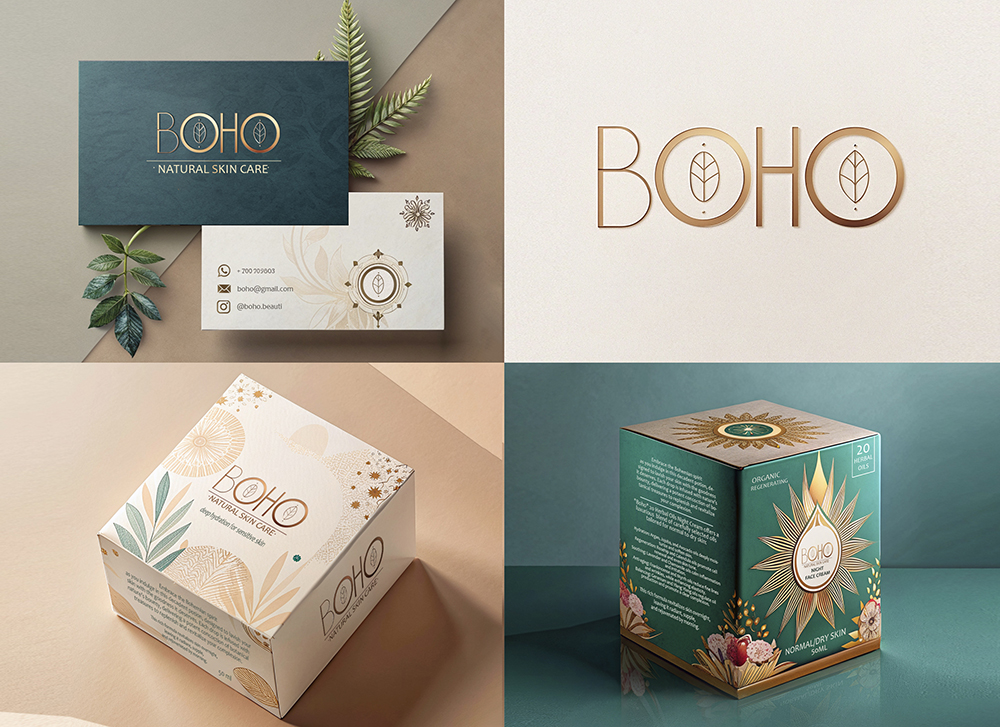
Define the essence of your brand — its mission, values, and tone of voice.
Describe your target audience and the emotions you want to evoke.
Study your competitors — not to copy them, but to understand how you can stand out
2. Core Identity
What it includes:
- logo
- brand color palette
- typography
- visual elements
Start with the core identity — it’s the foundation on which you can build anything.
3. Simplicity and Flexibility
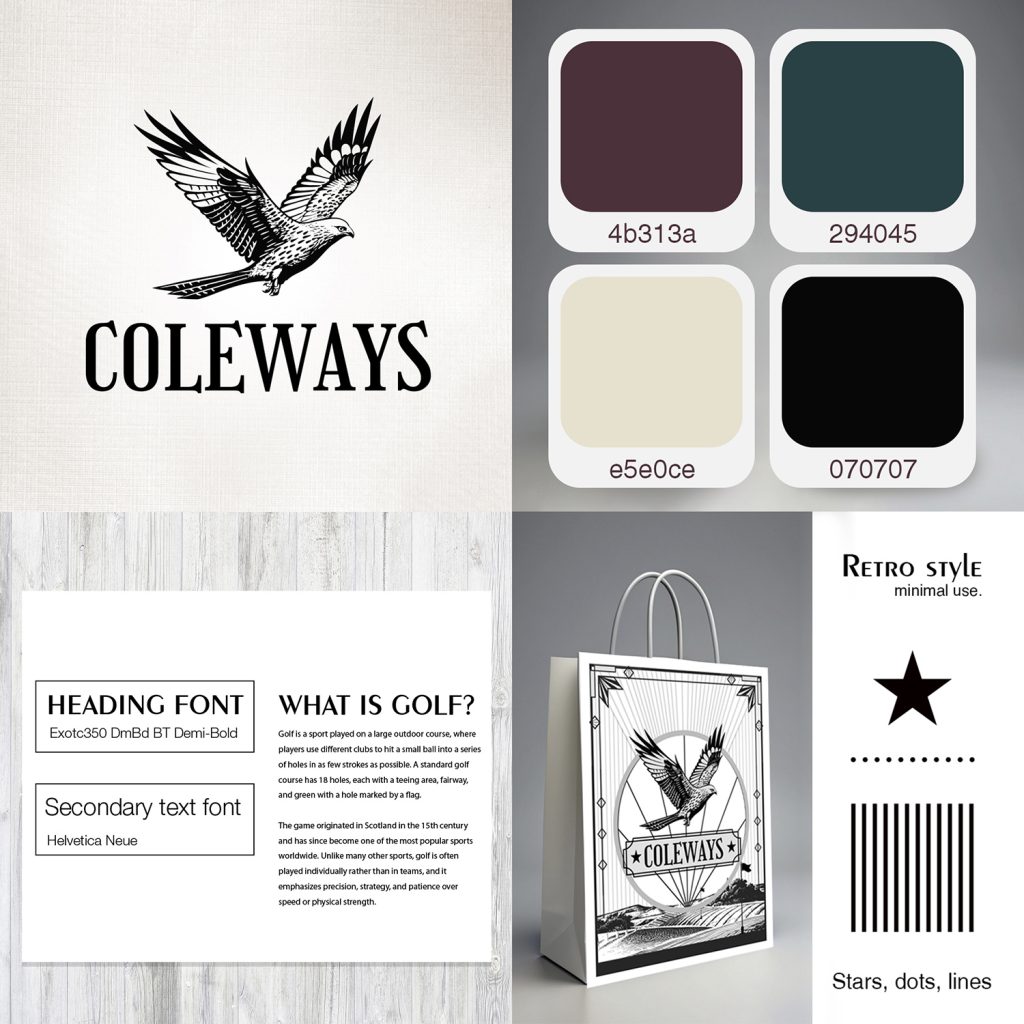
Minimalism is a small brand’s best friend. A simple system is easier to implement, recognize, and scale. Make your identity modular: the logo, color, typography, and graphics should work both together and independently.
4. Idea and Character
Start with the idea and character — the feeling of “premium” comes after.
Consistency builds trust. Use your brand style steadily so your audience can remember it
5. Practicality in the Real World
Test your visual elements on different touchpoints: business cards, website, social media, packaging.
Create a mini–guideline — it helps maintain consistency as you grow.
Think ahead about scalability: your identity should work both on a small avatar and on a large billboard.
6. Emotional Connection
Add “humanity” — unique illustrations, details, textures, photos of real people.
Your story and visuals should go hand in hand: don’t be afraid to show the process, and inspiration.
7. Working With a Limited Budget
It’s better to create a strong basic set than to spread yourself thin across dozens of touchpoints.
Use templates for social media and presentations — this helps maintain a unified visual language.
Focus on the idea and consistency rather than expensive effects.